
So you finally decided to try Elden Ring. Maybe the Shadow of the Erdtree DLC caught your attention. Maybe you’re tired of watching streamers play while you sit on the sidelines. Or maybe you just want to understand what everyone’s been raving about since 2022. Whatever brought you here, welcome. You’re about to experience one of the greatest games ever made, and also one that will absolutely destroy you repeatedly.
Let me be straight with you: Elden Ring is hard. Not “challenging but fair” hard in the way game journalists describe every difficult game. Actually hard. You will die. A lot. To things you didn’t see coming, to bosses that seem impossible, to regular enemies you thought you could handle, and occasionally to gravity because you misjudged a jump. This is normal. This is expected. This is, weirdly, part of the fun.
But here’s the secret nobody tells beginners: Elden Ring is also one of FromSoftware’s most accessible games. Unlike Dark Souls, which funnels you down linear paths until you overcome obstacles, Elden Ring’s open world lets you leave when things get too hard. Stuck on a boss? Go explore somewhere else, level up, find better gear, and come back stronger. That freedom transforms frustration into adventure.
I’ve guided dozens of friends through their first hours in the Lands Between. I’ve watched them go from “this is impossible” to “I just beat Margit solo” to speedrunning the game on challenge runs. This guide distills everything I wish someone had told me before my first playthrough, updated for 2025 with all patches, updates, and the Shadow of the Erdtree expansion context.
You can do this. Let’s get started.
What Makes Elden Ring Different
Not Just “Dark Souls But Open World”
If you’ve heard Elden Ring described as “open world Dark Souls,” that’s technically accurate but misses what makes it special. Yes, it’s a FromSoftware game with punishing combat, cryptic storytelling, and that signature “you died” experience. But the open world fundamentally changes the formula.
Key differences from Dark Souls:
- Exploration flexibility: Go anywhere visible from the start (mostly)
- Level design variety: Legacy dungeons, open fields, underground areas, castles
- Build experimentation: Respec is available and encouraged
- Mounted combat: Your horse Torrent changes traversal and fighting
- Spirit Ashes: Summonable allies for solo players
- Grace checkpoints: More frequent save points reducing frustration
- Map system: Actual readable map instead of mental cartography
The open world serves as a difficulty buffer. Struggling with an area? Ride away, explore, find upgrade materials, discover powerful weapons, and return when you’re ready. This makes Elden Ring more forgiving than any previous FromSoftware title while maintaining their signature challenge.
What You Need to Know About Difficulty
Elden Ring doesn’t have difficulty settings. Everyone plays the same game. But difficulty is adjustable through your choices:
Things that make the game easier:
- Leveling your character significantly
- Upgrading weapons with smithing stones
- Using Spirit Ash summons in boss fights
- Summoning other players for co-op help
- Using powerful weapon arts and spells
- Exploring thoroughly to find strong gear early
Things that make it harder:
- Rushing main story bosses underleveled
- Ignoring weapon upgrades
- Refusing to use summons or magic
- Limited exploration missing helpful items
The game is challenging by design, but you control how challenging through playstyle choices. No shame in using every tool available. The “right” way to play is the way you enjoy.
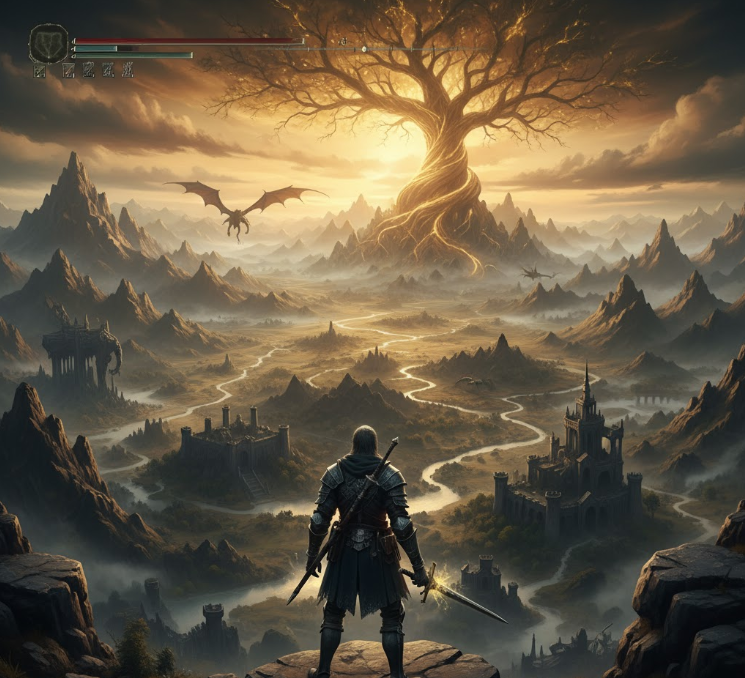
Choosing Your Starting Class
Which Class for Beginners?
Your starting class determines initial stats and equipment but doesn’t lock you into anything long-term. You can build any character into any playstyle eventually. That said, some classes ease the early game significantly.
Top beginner recommendations:
Vagabond (Best Overall Beginner Choice)
- Starts with solid armor and shield
- High HP and balanced stats
- Great for learning combat fundamentals
- Forgiving mistakes due to defense
- Easy transition to any melee build
Samurai (Strong Alternative)
- Excellent starting weapon (Uchigatana)
- Longbow for ranged combat
- Good armor and HP
- Naturally progresses to dexterity builds
- Bleed damage helps against tough enemies
Confessor (Magic/Melee Hybrid)
- Starts with healing incantations (huge for beginners)
- Decent melee capabilities
- Can heal without using flasks
- Opens both physical and faith builds
- More complex but very versatile
Astrologer (Pure Magic)
- Powerful ranged spells from start
- Avoid melee combat entirely
- Fragile but deals massive damage
- Requires different playstyle learning
- Excellent if melee frustrates you
Classes to avoid as beginners:
Wretch: Starts naked at level 1 with a club. This is for challenge runs, not first playthroughs.
Prisoner/Prophet: Awkward starting stats that don’t excel at anything immediately. Better for experienced players planning specific builds.
My recommendation: Vagabond for true beginners, Samurai if you want slightly more offensive capability. Both provide solid defense, good weapons, and stat distribution that works for most builds.
Starting Gifts (Keepsakes)
You choose one keepsake at character creation. Most are minor, but one stands out:
Golden Seed (Best Choice): Increases flask charges permanently. More healing means more survival. This is the most universally useful option.
Alternatives worth considering:
- Stonesword Key: Opens sealed doors early, but you’ll find many later
- Lands Between Rune: Free 3,000 runes for early leveling (decent head start)
Honestly, keepsakes matter less than class choice. Golden Seed provides the most consistent value, but you won’t ruin your playthrough with other choices.
Essential First Steps
What to Do in Your First Hours
Elden Ring drops you in the world with minimal guidance. Here’s exactly what to do:
Hour 1 – The Tutorial:
- Complete the Cave of Knowledge tutorial (accessible by dying to grafted scion or entering the cave in starting area)
- Learn basic combat: light attack, heavy attack, dodge roll, blocking
- Practice parrying (optional but useful skill)
- Exit tutorial with basic understanding
Hours 2-3 – Limgrave Exploration:
- Rest at your first Site of Grace to unlock leveling and Torrent (your horse)
- Explore Limgrave thoroughly before tackling Stormveil Castle
- Find the Church of Elleh (merchant, crafting kit, smithing stones)
- Activate Grace sites liberally (they’re your checkpoints and fast travel)
- Collect Golden Seeds and Sacred Tears (upgrade your flasks)
Critical early goals:
- Reach character level 25-30 before attempting Margit
- Upgrade your main weapon to +3 minimum
- Have at least 4-5 healing flask charges
- Unlock Torrent and practice mounted combat
- Find a Spirit Ash summon you like
Map Fragments:
Look for small pillar structures with maps on them. They reveal your map for each region. Finding these should be priority number one in new areas because navigating without the map is frustrating.
Understanding Core Mechanics
Runes (Currency and Experience):
- Dropped by enemies, function as both money and XP
- You lose them when you die, forming a bloodstain
- Retrieve your bloodstain to recover runes
- Die again before retrieving = they’re gone forever
- Spend runes regularly on levels or items to avoid losing thousands
Flasks:
- Red flask heals HP
- Blue flask restores FP (magic/skill energy)
- Allocate charges between red and blue at Sites of Grace
- Upgrade number of charges with Golden Seeds
- Upgrade potency with Sacred Tears
Stamina:
- Green bar governs attacks, dodges, blocks, and sprints
- Manage carefully; running out mid-combat is deadly
- Recovers quickly when not taking actions
- Heavier equipment = slower stamina recovery
Equipment Load:
- Determines dodge speed and movement
- Light load (under 30%): Fast dodge, longest invincibility frames
- Medium load (30-70%): Normal dodge, standard frames
- Heavy load (70-100%): Slow “fat roll,” significantly worse
- Over 100%: Can’t dodge at all, extremely slow movement
Always stay under 70% equipment load minimum. Light load is ideal but requires stat investment in Endurance.
Combat Fundamentals
The Skills That Keep You Alive
Elden Ring combat revolves around pattern recognition and patience. Every enemy telegraphs attacks. Learning these tells is how you survive.
Essential combat skills:
Dodging (Most Important Skill):
- You have invincibility frames (i-frames) during dodge animation
- Timing matters more than direction
- Dodge into attacks, not away (counterintuitive but works)
- Practice dodge timing on every enemy type
- Don’t panic roll; wait for attack animations
Stamina Management:
- Never drain stamina completely
- Leave enough for emergency dodge
- Attack combos that empty stamina bar = death sentence
- Count attacks: 2-3 hits, then retreat and recover
Guard Counter (Underused by Beginners):
- Block an attack, then immediately heavy attack
- Breaks enemy stance quickly
- Safer than pure aggression
- Requires shield but deals great poise damage
Jump Attacks:
- Deal extra poise damage
- Safer than ground attacks for hit-and-run
- Mounted jump attacks are incredibly powerful
- Learn to time jumping to avoid attacks
Weapon Arts (Ashes of War):
- Special abilities on weapons
- Consume FP but provide unique advantages
- Can change weapon scaling and damage types
- Experiment to find what suits your playstyle
Common Beginner Mistakes
Mistake #1: Panic Rolling
- New players spam dodge at danger
- Wastes stamina and often rolls into attacks
- Solution: Wait, watch, roll with purpose
Mistake #2: Ignoring Equipment Load
- Fat rolling makes everything harder
- Solution: Remove armor until under 70% load, level Endurance
Mistake #3: Never Blocking
- Shields are incredibly useful for learning enemy patterns
- Solution: Use shield liberally until you learn dodge timings
Mistake #4: Neglecting Weapon Upgrades
- Weapon upgrades matter more than character levels for damage
- Solution: Prioritize finding smithing stones and upgrading
Mistake #5: Fighting Everything
- You don’t have to kill every enemy
- Solution: Run past enemies when exploring or returning to areas
Mistake #6: Hoarding Consumables
- Beginner trap: saving items for “later”
- Solution: Use buffs, throwables, and consumables liberally
Exploration and Progression
Where to Go and When
Elden Ring’s open world can overwhelm beginners. Here’s a recommended progression path:
Phase 1: Limgrave (Levels 1-30)
| Location | Recommended Level | Priority |
|---|---|---|
| Starting area exploration | 1-10 | High |
| Gatefront Ruins | 5-10 | High (Ashes of War) |
| Dragon-Burnt Ruins | 10-15 | Medium (good loot) |
| Weeping Peninsula | 15-25 | High (easier than Stormveil) |
| Stormveil Castle | 25-35 | High (main progression) |
Phase 2: Liurnia of the Lakes (Levels 30-50)
- Explore after defeating Godrick (Stormveil boss)
- Academy of Raya Lucaria is the main legacy dungeon
- Massive area with tons of side content
Phase 3: Caelid (Levels 50-70)
- Significantly harder than previous areas
- Can be partially explored earlier for specific items
- Redmane Castle leads to Radahn festival fight
Early game exploration tips:
Dungeons Worth Visiting:
- Groveside Cave: Near starting area, easy practice
- Stormfoot Catacombs: Learn catacomb layouts
- Murkwater Cave: Patches encounter and useful items
- Coastal Cave: Tailoring tools for crafting
Overworld Must-Finds:
- Church of Elleh: First merchant, crafting kit
- Warmaster’s Shack: Combat Ashes of War
- Third Church of Marika: Sacred Tear
- Gatefront Grace: Summons NPCs explaining mechanics
When You’re Lost:
- Follow Graces of Gold (golden light trails from Sites of Grace)
- They point toward main story objectives
- Not mandatory, but guide lost players effectively

Building Your Character
Stats Explained for Beginners
Elden Ring has eight core stats. Understanding them prevents wasted levels:
Vigor (MOST IMPORTANT):
- Increases HP
- Soft cap at 40, hard cap at 60
- Priority stat for all builds
- Get to 40 minimum by mid-game
Mind:
- Increases FP (magic/skill energy)
- Important for magic users and skill spammers
- Melee builds can mostly ignore
Endurance:
- Increases stamina and equipment load
- Get enough to stay under 70% load comfortably
- Usually 20-30 points sufficient
Strength:
- Required for heavy weapons
- Increases physical damage for STR-scaling weapons
- Also improves guard stability
Dexterity:
- Required for faster weapons
- Increases damage for DEX-scaling weapons
- Slightly reduces spell cast time
Intelligence:
- Required for sorceries
- Increases magic damage
- Pure casters need 60-80 eventually
Faith:
- Required for incantations
- Increases holy/fire damage typically
- Healing spells scale with Faith
Arcane:
- Increases item discovery
- Boosts bleed/poison buildup
- Required for some unique weapons
Beginner leveling priority:
- Vigor to 20-25 (survive early game)
- Minimum stats for your chosen weapon
- Endurance to manage equipment load
- Vigor to 30-40 (mid-game survivability)
- Damage stat (STR/DEX/INT/FAITH) to 40
- Continue scaling based on build
Never level Arcane early unless your build specifically requires it. Focus on survival (Vigor) and meeting weapon requirements first.
Weapon Scaling and Upgrades
Weapons have letter grades (S/A/B/C/D/E) showing how much they scale with stats:
- S: Excellent scaling
- A: Great scaling
- B: Good scaling
- C: Decent scaling
- D/E: Minimal scaling
Important weapon concepts:
Upgrade Priority:
- Weapon upgrades matter more than character levels early
- A +5 weapon at level 20 >>> a +0 weapon at level 40
- Find smithing stones obsessively
- Regular weapons go to +25, special weapons to +10
Weapon Categories:
- Standard weapons: Upgraded with smithing stones 1-8, somber stones 1-10
- Special/Unique weapons: Upgraded with somber smithing stones only
- Ashes of War changeable: Can alter skills and scaling on standard weapons
Scaling changes with upgrades:
- Weapons improve scaling grades as they’re upgraded
- A weapon with D strength scaling might reach B or A at +20
- Check scaling before committing to a weapon
Beginner-friendly weapons:
Early game (Limgrave):
- Longsword: Versatile, fast, solid damage
- Uchigatana: Bleed damage, great moveset (Samurai starts with this)
- Claymore: Balanced greatsword with range
- Winged Scythe: Great for Faith builds, found in Weeping Peninsula
Mid-game powerhouses:
- Bloodhound’s Fang: Curved greatsword with bleed, found very early in Limgrave
- Moonveil: Intelligence katana from Caelid
- Sword of Night and Flame: INT/FAITH weapon (nerfed but still good)
Don’t sleep on basic weapons. An upgraded Longsword can carry you through the entire game if you like its moveset.
Magic and Ranged Combat
Spellcasting for Beginners
Magic in Elden Ring is powerful and accessible. Both sorceries (INT) and incantations (FAITH) offer strong options.
Starting as a spellcaster:
You’ll need:
- Staff (for sorceries) or Sacred Seal (for incantations)
- Spells purchased from NPCs or found in world
- Adequate Mind stat for FP pool
- Intelligence or Faith meeting spell requirements
Early game sorceries:
- Glintstone Pebble: Efficient damage, low FP cost
- Rock Sling: Physical damage, stance breaks enemies
- Carian Slicer: Melee-range magic sword (FP-efficient)
Early game incantations:
- Catch Flame: Close range fire damage
- Heal: Self-healing without flasks
- Beast Claw: Ranged physical attack
Magic advantages:
- Fight from safety
- Exploit enemy weaknesses
- No equipment weight for spells
- Flexible damage types
Magic disadvantages:
- FP management crucial
- Fragile if caught in melee
- Requires stat investment
- Spell interruption from damage
Hybrid builds: Mix melee and magic for flexibility. Moonveil katana for INT builds, Blasphemous Blade for FAITH builds, both scale with magic stats while functioning as normal weapons.
Bows and Ranged Weapons
Bows provide safe damage and utility:
Bow types:
- Shortbow: Fast, weak, great for applying status effects
- Longbow: Balanced damage and range
- Greatbow: Massive damage, slow, stance breaks effectively
Recommended early bow usage:
- Pull single enemies from groups
- Chip damage on bosses during openings
- Apply status effects (bleed/poison arrows)
Every build should carry a bow for pulling enemies. Saves fighting multiple mobs simultaneously.
Boss Strategy Essentials
How to Approach Boss Fights
Bosses represent Elden Ring’s ultimate challenges. Here’s how to approach them systematically:
Pre-fight preparation:
- Explore the area: Don’t rush to bosses underleveled
- Upgrade weapons: Should be maximum level for current area
- Prepare flasks: Allocate red/blue based on build
- Stock consumables: Buffs, grease, throwing items
- Summon help: Spirit Ashes or player summons (no shame)
During the fight:
Phase 1 – Learn:
- First few attempts, just watch boss patterns
- Don’t worry about winning yet
- Identify attack tells and safe windows
- Learn when to heal safely
Phase 2 – Adapt:
- Start attempting dodges and counters
- Find attack windows that work for your weapon
- Adjust spacing based on weapon range
- Use summons to create openings
Phase 3 – Execute:
- Put learned patterns into practice
- Stay patient; don’t get greedy
- Manage resources (FP, stamina, flasks)
- Finish the job
Boss fight tips:
- Summoning is legitimate: Game is balanced around summons for solo play
- Spirit Ashes level up: Upgrade them with glovewort for better performance
- Watch for phase transitions: Bosses change patterns at health thresholds
- Posture breaking: Jumping attacks and guard counters break stance for ripostes
- Weapon buffs stack: Grease, spells, and consumables combine
Recommended Spirit Ashes:
- Lone Wolf Ashes: Early game, decent distraction
- Jellyfish: Surprisingly tanky, poisons enemies
- Mimic Tear: Mid-game, creates copy of you (extremely powerful)
- Black Knife Tiche: Late game, agile and deadly
Margit Strategy (First Major Skill Check)
Margit the Fell Omen guards Stormveil Castle and filters unprepared players.
Preparation for Margit:
- Level 25-30 minimum
- Weapon +3 to +4
- Summon Spirit Ash (Jellyfish recommended)
- Optional: Margit’s Shackle item (binds him twice, found in underground area)
Margit’s patterns:
- Staff swings have long wind-ups (dodge into him)
- Jumping attacks track but are dodgeable
- Dagger throws come in pairs (dodge twice)
- Holy blade summons in second phase (delayed timings)
Winning strategy:
- Summon Spirit Ash immediately
- Let summon take aggro
- Attack during boss’s combos on summon
- Dodge when he targets you
- Don’t get greedy; 2-3 hits then retreat
- Use Margit’s Shackle if you have it (ground pin)
Margit teaches you Elden Ring combat fundamentals. If you beat him, you understand the game. If you’re struggling, explore more first.
Survival Tips and Quality of Life
Things I Wish I Knew Earlier
General survival tips:
Always explore on Torrent first:
- Faster movement
- Can escape danger easily
- Mounting/dismounting is instant
- Double jump reaches high places
Sites of Grace reset enemies:
- Use this to farm runes safely
- Fast travel away and back for instant resets
Crafting is useful:
- Throwable items (pots, darts) are strong
- Status effect items bypass resistances
- Collect flowers and materials while exploring
Status effects are powerful:
- Bleed shreds health bars (proc damage based on max HP)
- Scarlet Rot/Poison chip away at tough enemies
- Frostbite increases damage taken
- Stack effects for massive damage
Stealth exists:
- Crouching reduces detection range
- Sneak attacks deal bonus damage
- Clear areas quietly before boss attempts
Golden Runes are safe storage:
- Consumable items that grant runes
- Save them until you need levels
- Won’t lose them on death
Co-op and PvP basics:
Summoning help:
- Furlcalling Finger Remedy reveals summon signs
- Gold signs are friendly cooperators
- Summon before boss fog for help
Being invaded:
- Opening to co-op allows invasions
- Use Taunter’s Tongue to enable solo invasions
- White Cipher Ring summons hunter help against invaders
Common Beginner Questions
FAQ from New Players
“Am I underleveled?”
Compare your level to the area:
- Limgrave: 1-30
- Weeping Peninsula: 15-30
- Stormveil Castle: 30-40
- Liurnia: 35-55
- Caelid: 50-70
If enemies two-shot you, gain 5-10 levels and try again.
“Where do I get smithing stones?”
- Find them in mines (tunnels marked on map)
- Purchase from merchants after finding Bell Bearings
- Limited amounts in early game; choose weapons carefully
“Should I use a guide?”
Mixed answer:
- Blind exploration is magical and rewarding
- Guides prevent frustration from missing key items
- Compromise: explore blind, consult guide if stuck 30+ minutes
“Is X weapon/build viable?”
Almost everything is viable. Weapon upgrades matter more than weapon choice. Use what feels good to you.
“How do I respec?”
After defeating Rennala (Academy of Raya Lucaria boss), you can respec using Larval Tears (rare items). Experiment freely.
Your Journey Begins
Final Advice for New Tarnished
Elden Ring is a marathon, not a sprint. Your first playthrough will take 60-100+ hours. You’ll die hundreds of times. You’ll get lost, frustrated, and question why you’re playing.
And then something clicks.
You’ll dodge a combo perfectly. Beat a boss that seemed impossible. Discover a hidden area with amazing loot. Piece together lore that makes you see the world differently. These moments make every death worthwhile.
Remember:
- Dying is learning: Each death teaches patterns
- Exploration is rewarded: Curiosity finds the best items
- Your pace is valid: Fast or slow, both are fine
- Ask for help: Community loves helping new players
- Breaks are healthy: Step away when frustrated
- Victory is earned: Nothing handed to you, everything deserved
The Lands Between are brutal, beautiful, and waiting for you. Every Tarnished starts where you are now: overwhelmed, dying repeatedly, and unsure if they’ll make it.
You will.
Take it slow. Learn the patterns. Explore thoroughly. Level your Vigor. Upgrade your weapons. Summon help when needed.
And most importantly: don’t give up, skeleton.
What’s the biggest obstacle you’re facing in Elden Ring, or what’s holding you back from starting? For veterans reading this, what advice would you give your beginner self? Share your early game struggles and victories in the comments. The Elden Ring community is surprisingly supportive, and someone here has overcome whatever challenge you’re facing.
FAQ: Elden Ring Beginner Questions
Is Elden Ring too hard for beginners to gaming?
Elden Ring is challenging but more accessible than previous FromSoftware games thanks to its open world, Spirit Ash summons, and ability to overlevel. Complete gaming beginners might struggle, but anyone comfortable with action games can succeed with patience. The difficulty is adjustable through your choices (summons, magic, leveling). Expect significant learning curve but know the game provides tools to overcome challenges.
How long does it take to beat Elden Ring?
First playthroughs typically take 60-100+ hours for thorough exploration. Rushing main story only: 40-50 hours. Completionists finding everything: 120-150+ hours. The Shadow of the Erdtree DLC adds another 20-40 hours. Game length depends heavily on skill level, exploration habits, and whether you get stuck on bosses. Take your time; Elden Ring rewards patience.
Can you play Elden Ring casually?
Yes, with caveats. You can play at your own pace, explore freely, and overlevel to make content easier. However, the game still requires learning enemy patterns and engaging with combat systems. “Casual” doesn’t mean “effortless” in Elden Ring. Using summons, co-op, and magic builds makes casual play more feasible. Expect sessions where you make little progress while learning bosses.
What happens when you die in Elden Ring?
You lose all carried runes (currency/XP) and respawn at the last Site of Grace. Your runes form a bloodstain at your death location. Retrieve the bloodstain to recover runes. Die before recovering them, and they’re lost permanently. This creates risk/reward decisions: push forward with valuable runes or return to spend them safely.
Should I play Elden Ring or Dark Souls first?
Play Elden Ring first. It’s more accessible due to open-world flexibility, more forgiving checkpoint spacing, and quality-of-life improvements. Dark Souls games are more linear and less forgiving to beginners. If you love Elden Ring, the Dark Souls trilogy provides excellent additional content. Starting with Elden Ring gives you FromSoftware combat fundamentals with more flexibility to overcome challenges.
Sources & Additional Resources
- Elden Ring Official Website – Bandai Namco Elden Ring – Official information, updates, and patch notes
- Fextralife Elden Ring Wiki – Comprehensive community wiki covering all items, locations, builds, and strategies
- r/Eldenring Subreddit – Active community for questions, build advice, and sharing experiences with 2M+ members