
Three hundred hours into Elden Ring, I thought I’d seen everything. Then a friend casually mentioned fighting Dragonlord Placidusax, and my jaw hit the floor. How had I missed an entire dragon lord boss fight? That conversation sent me down a rabbit hole of hidden encounters, secret areas, and optional bosses that most players never discover.
If you’re searching for the top 10 hidden bosses in Elden Ring, you’re probably in a similar boat. Maybe you’ve beaten the game but suspect there’s more out there. Maybe you’ve heard whispers about secret fights on Reddit or Discord. Either way, you’re absolutely right to be curious because FromSoftware packed this game with phenomenally crafted encounters that don’t announce themselves with giant golden fog walls.
These aren’t just throwaway fights either. The hidden bosses in Elden Ring often feature the most creative movesets, the deepest lore connections, and some of the best rewards in the game. Whether you’re chasing completion, testing your skills, or just love the thrill of discovery, this guide will show you exactly where to find the Lands Between’s best-kept secrets.
What Makes a Boss “Hidden” in Elden Ring?
Before we dive into specific encounters, let’s establish what qualifies as a hidden boss. Elden Ring is huge, and technically every optional boss could be considered “hidden” if you rush straight through the main path. But we’re talking about something more specific here.
Hidden bosses require deliberate exploration beyond normal gameplay patterns. They’re tucked behind illusory walls, locked in areas accessible only through specific quest chains, or positioned in locations you’d never stumble upon accidentally. These fights don’t have Site of Grace markers pointing you toward them or NPCs explicitly telling you where to go.
The distinction matters because it separates genuinely obscure content from merely optional content. Fighting Margit is required. Fighting Godrick is technically optional but obvious. Fighting someone like Lichdragon Fortissax? That requires completing a multi-step quest chain most players never finish, making it genuinely hidden.
FromSoftware has always loved tucking away their best content for curious players, and Elden Ring takes this philosophy to new heights. The game respects your intelligence enough to hide incredible encounters without holding your hand, trusting that dedicated players will find them eventually.
Top 10 Hidden Bosses in Elden Ring
1. Dragonlord Placidusax
This ancient dragon lord takes the top spot not just for being hidden but for the absolutely stunning arena and fight design. Dragonlord Placidusax exists outside normal time in Crumbling Farum Azula, and reaching him requires knowledge most players won’t have without looking it up.
To find Placidusax, progress through Crumbling Farum Azula until you reach the Beside the Great Bridge Site of Grace. From there, take the elevator down, but instead of continuing forward, look for a path that branches off to the right. Navigate through the ruins until you find a spot where you can safely drop down to a lower platform.
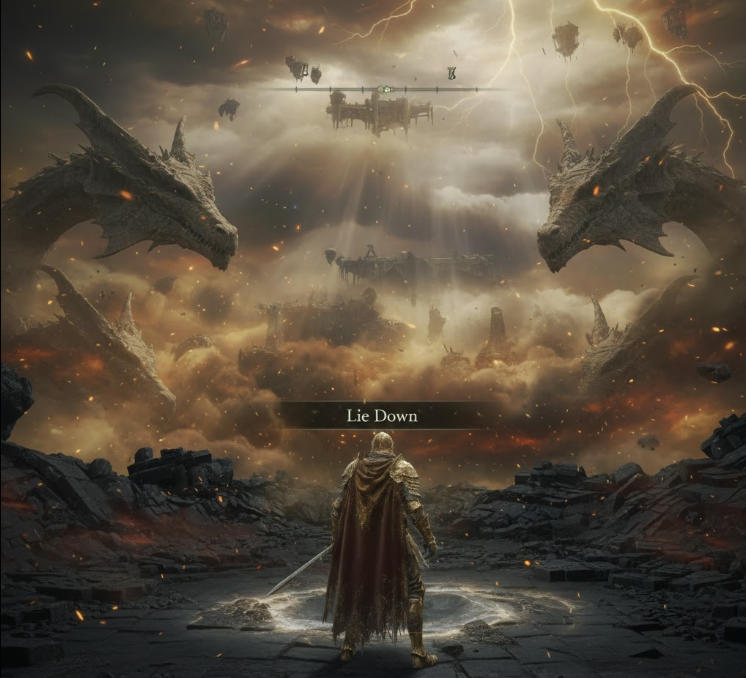
Here’s the weird part that makes this boss truly hidden: you need to lie down in a specific spot. Look for a small circular platform with architectural details suggesting it’s special. When you interact with it, your character lies down and gets transported to Placidusax’s arena. Without external guidance, most players would never think to try this.
The fight itself is spectacular. Placidusax teleports constantly, summons lightning storms, and uses attacks that literally tear through reality. The arena sits suspended in a storm-wracked void, creating one of Elden Ring’s most memorable visual experiences. Beat him, and you’ll earn the Remembrance of the Dragonlord, which can be exchanged for either a powerful incantation or a devastating weapon.
2. Mohg, Lord of Blood (Palace Approach Version)
Most players encounter Mohg the Omen in the Subterranean Shunning-Grounds beneath Leyndell, but that’s actually a lesser version. The real Mohg, Lord of Blood, resides in Mohgwyn Palace, an entirely optional legacy dungeon that many players never discover.
Accessing Mohgwyn Palace requires completing either Varre’s questline or finding a hidden teleporter in the Consecrated Snowfield. Varre’s route is easier but requires engaging with multiplayer features. After completing his tasks, he gives you the Pureblood Knight’s Medal, which teleports you directly to Mohgwyn Palace.
The alternative route involves reaching the Consecrated Snowfield (itself a hidden area), then finding a specific teleporter on the western edge near the Yelough Anix Ruins. This teleporter sits in plain sight once you’re in the area, but getting to the Consecrated Snowfield requires using the Haligtree Secret Medallion at the Grand Lift of Rold.
Mohg’s fight is brutally difficult. His blood magic attacks inflict hemorrhage buildup rapidly, and his Nihil attack deals percentage-based damage three times in succession. You can counter this with the Purifying Crystal Tear mixed into your Flask of Wondrous Physick, but many players don’t know this item exists or where to find it.
Defeating Mohg rewards the Remembrance of the Blood Lord and unlocks one of the best rune farming spots in the game. His Great Rune is also one of the more useful ones for PvP builds. This fight combines difficulty, spectacle, and practical rewards perfectly.
3. Malenia, Blade of Miquella
Wait, isn’t Malenia one of the most talked-about bosses in Elden Ring? Absolutely. But she still qualifies as hidden because reaching her requires finding the Haligtree, one of the game’s most obscure areas. A massive percentage of players complete Elden Ring without ever stepping foot in Elphael, Brace of the Haligtree.
Finding Malenia requires obtaining both halves of the Haligtree Secret Medallion. The right half is in the Village of the Albinaurics, hidden behind an illusory floor at the edge of the village. You need to hit a specific pot to reveal this passage. The left half is at Castle Sol in the Mountaintops of the Giants, obtained by defeating Commander Niall.
Once you have both pieces, return to the Grand Lift of Rold and use the “Hoist secret medallion” action instead of the normal lift operation. This transports you to the Consecrated Snowfield. From there, navigate to Ordina, Liturgical Town, and complete the evergaol puzzle to access the Haligtree.
Even after all that, you still need to progress through the entire Haligtree and Elphael before reaching Malenia. This multi-stage journey makes her legitimately hidden despite her fame in the community.
The fight itself has legendary difficulty. Malenia’s Waterfowl Dance attack has become iconic for how brutally it punishes unprepared players. She heals with every hit that connects, even through shields, making the battle a true endurance test. Beating her grants Malenia’s Great Rune, her Remembrance, and serious bragging rights.
4. Astel, Naturalborn of the Void (Consecrated Snowfield)
Most players encounter Astel in the Lake of Rot as part of Ranni’s questline. What they don’t know is there’s a second Astel hidden in the Consecrated Snowfield’s Yelough Anix Tunnel. This duplicate boss features identical movesets but guards different rewards.
To reach this hidden Astel, travel to the Consecrated Snowfield and locate Yelough Anix Tunnel on the western side of the map. The tunnel entrance isn’t particularly hidden, but many players never explore this corner of the Snowfield thoroughly. Progress through the tunnel, fighting the miners and pests, until you reach the boss arena.
Why include a duplicate boss on this list? Because the vast majority of players who fight Astel in the Lake of Rot never realize there’s a second encounter. This version drops the Meteorite of Astel sorcery, a powerful gravity spell that differs from the rewards obtained from the Lake of Rot version.
The fight itself remains spectacular. Astel’s cosmic horror design, teleportation mechanics, and devastating grab attack create one of Elden Ring’s most unique encounters. The cavernous arena filled with glowing crystals adds to the otherworldly atmosphere.
5. Lichdragon Fortissax
This spectral dragon represents one of Elden Ring’s most elaborate hidden boss sequences. Reaching Fortissax requires progressing Fia’s questline through multiple stages, including activities most players would never connect to unlocking a secret boss.
Start by talking to Fia in the Roundtable Hold and accepting her embrace. Later, after defeating two Shardbearers, she’ll relocate to Deeproot Depths. Reaching Deeproot Depths itself requires either completing Ranni’s questline and accessing it through Nokstella, or using the secret passage in the Subterranean Shunning-Grounds beneath Leyndell.
Once you find Fia in Deeproot Depths, give her the Cursemark of Death (obtained from Ranni’s questline by reaching the Divine Tower of Liurnia through a teleporter in the Carian Study Hall). After resting at a Site of Grace and returning, Fia will be asleep. Interact with her to enter a dream state where Lichdragon Fortissax awaits.
The connection between all these steps isn’t obvious at all. Without guides, piecing together this sequence requires either extraordinary attention to NPC dialogue or pure luck. This makes Fortissax one of the most genuinely hidden encounters in the entire game.
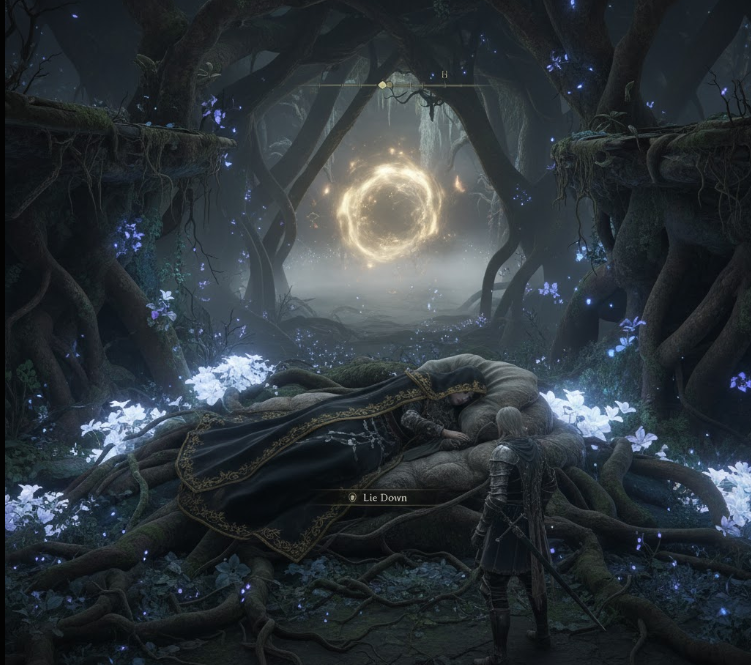
Combat against Fortissax showcases FromSoftware’s dragon design at its peak. His death lightning attacks create persistent damaging zones, forcing constant repositioning. The spectral arena adds a dreamlike quality that matches the lore significance of the fight. Victory grants Fia’s armor set, the Mending Rune of the Death-Prince (enabling a unique ending), and Fortissax’s Remembrance.
6. Ancestor Spirit and Regal Ancestor Spirit
These ethereal stag bosses hide in Siofra River and Nokron, Eternal City respectively. Both require completing lighting puzzles that most players either miss entirely or solve without realizing they’re unlocking boss encounters.
For the regular Ancestor Spirit, explore Siofra River and light all eight pillars scattered throughout the underground region. These pillars emit ghostly flames when lit but don’t provide obvious feedback about what they’re activating. Once all eight are lit, return to the large building near the Siofra River Bank Site of Grace and interact with the altar. This spawns the Ancestor Spirit fight.
The Regal Ancestor Spirit follows a similar pattern but requires six pillars in Nokron, Eternal City. The pillars are more spread out here, requiring thorough exploration of Nokron’s platforming sections and hidden corners. Once completed, interact with the altar in the northern part of Nokron to trigger the encounter.
Both fights are hauntingly beautiful. The spirits move with grace through mist-filled arenas, using charging attacks and spirit summons. The ambient music creates an almost melancholic atmosphere that contrasts sharply with most of Elden Ring’s intense boss themes. These encounters feel more spiritual than aggressive, matching their lore as ancient nature spirits.
Rewards include unique Remembrances that can be exchanged for weapons or spells. The Ancestor Spirit drops the Ancestral Spirit’s Horn, while the Regal version provides access to the Winged Greathorn. Neither is meta-defining, but they’re unique items you can’t obtain elsewhere.
7. Crucible Knight Ordovis and Crucible Knight
This duo encounter in the Auriza Hero’s Grave is hidden behind both an obscure dungeon location and a challenging navigation sequence. The Auriza Hero’s Grave sits on the road to Leyndell but can easily be missed if you’re following quest markers rather than thoroughly exploring.
Inside the hero’s grave, you’ll face one of Elden Ring’s infamous chariot sequences. These moving death machines patrol the corridors, instantly killing you on contact. Navigate carefully through the dungeon, using alcoves for safety and timing your runs between chariot passes.
The real trick to finding the boss involves causing two chariots to collide and destroy each other. In the room with the pillar in the center, lure the chariot into crashing into the pillar support. This creates a new path down to the boss arena where Ordovis and his companion await.
Fighting two Crucible Knights simultaneously ranks among Elden Ring’s toughest challenges. Their aggressive combos, varied attack patterns, and relentless pressure require perfect spacing and timing. Unlike many duo fights where you can separate the bosses, these two work in tandem effectively.
Victory rewards Ordovis’s Greatsword, a solid strength weapon with a unique weapon art. The bigger reward is the satisfaction of conquering one of the game’s most challenging hidden encounters.
8. Leonine Misbegotten and Crucible Knight (Redmane Castle)
This boss fight is particularly sneaky because Redmane Castle changes based on your progression. Early in the game, if you visit Redmane Castle before triggering the Radahn festival, you’ll find this duo boss fight blocking your path. However, if you progress Ranni’s questline or advance far enough in the main story, the castle empties for the festival, and this fight becomes entirely inaccessible.
To fight this hidden duo, head to Redmane Castle before advancing too far in the main story. Enter through the main gate, clear the castle interior, and you’ll eventually reach the throne room where both bosses await. The Leonine Misbegotten starts the fight, and after reducing its health significantly, the Crucible Knight joins the battle.
This timing-based hidden content frustrates completionists because it’s easy to lock yourself out. Many players don’t discover this fight exists until they’re researching their second playthrough, realizing they missed content by progressing “too efficiently” the first time around.
The fight itself is mechanically challenging. The Leonine Misbegotten’s wild combos paired with the Crucible Knight’s measured aggression create a difficult dance of positioning and patience. Rewards include the Ruins Greatsword, a colossal weapon with a powerful weapon art that launches enemies.
9. Alecto, Black Knife Ringleader
This evergaol boss hides in Liurnia of the Lakes but doesn’t appear on the map until you’re quite close. Alecto represents one of Elden Ring’s toughest one-on-one skill checks, and many players never discover her location.
Travel to the far northwestern corner of Liurnia, past the Moonlight Altar (which itself requires progressing Ranni’s questline to access). The Ringleader’s Evergaol sits atop a plateau in this area, far from main travel routes. You can easily complete the entire game without ever exploring this corner of the map.
Alecto fights with the same aggressive style as all Black Knife Assassins but with enhanced damage and health. Her reduced visibility during certain attacks, combined with the destined death effect that temporarily reduces your maximum HP, makes this fight brutally difficult. She punishes healing attempts with gap-closing attacks and maintains constant pressure throughout the encounter.
Defeating Alecto rewards the Black Knife Tiche spirit ash, widely considered one of the best summons in the entire game. Tiche deals percentage-based health damage, making her effective against all bosses regardless of their health pool. This reward alone makes finding Alecto worthwhile for any build.
10. Godskin Noble and Godskin Apostle (Spiritcaller’s Cave)
This duo fight hides in one of Elden Ring’s most annoying dungeons. Spiritcaller’s Cave in the Mountaintops of the Giants features snail enemies that summon spirit versions of bosses you’ve already defeated. The dungeon’s unique mechanic makes it memorable, but its hidden location means many players never experience it.
The cave entrance sits on the cliffside in the western Mountaintops area. It’s not marked clearly and requires careful exploration of the region’s edges to discover. Inside, you’ll fight through multiple snail encounters that spawn increasingly difficult boss spirits.
The final chamber contains a snail that summons both a Godskin Noble and Godskin Apostle simultaneously. You need to defeat both spirits while also dealing with the snail itself, creating a three-way fight that’s equal parts frustrating and thrilling. The snails can resummon the bosses if you don’t kill them quickly enough.
This fight’s placement as the tenth hidden boss reflects its obscure location and the fact that many players skip Spiritcaller’s Cave entirely even if they find it. The rewards include the Black Flame Ritual incantation, useful for faith builds focusing on Godskin-themed abilities.
Strategies for Finding Hidden Bosses
Exploration Techniques That Work
Finding the top 10 hidden bosses in Elden Ring requires systematic exploration rather than random wandering. I’ve developed a methodology that maximizes discovery without feeling tedious.
First, explore map edges religiously. FromSoftware loves hiding content at boundaries where players assume nothing exists. The Consecrated Snowfield, Siofra River, and many other hidden areas position important content at the periphery rather than the center.
Second, pay attention to environmental clues. Unusual architecture, concentrated item placements, or distinctive landmarks often signal nearby secrets. That random church or isolated ruin probably contains more than basic loot.
Third, exhaust NPC dialogue completely. Many hidden bosses connect to quest chains, and NPCs provide hints if you listen carefully. When an NPC mentions a location name you don’t recognize, that’s a red flag to investigate further.
Fourth, attack suspicious walls. Elden Ring contains dozens of illusory walls hiding passages and items. If a wall looks slightly different or sits in an odd position, give it a whack. The worst outcome is looking silly for a second.
Comparison of Hidden Boss Difficulty and Rewards
| Boss Name | Combat Difficulty | Discovery Difficulty | Reward Value | Lore Significance |
|---|---|---|---|---|
| Dragonlord Placidusax | Very Hard | Medium | High | Very High |
| Mohg, Lord of Blood | Very Hard | Medium | Very High | High |
| Malenia, Blade of Miquella | Extreme | Hard | High | Very High |
| Astel (Snowfield) | Hard | Medium | Medium | Low |
| Lichdragon Fortissax | Hard | Very Hard | High | High |
| Ancestor Spirits | Medium | Medium | Medium | Medium |
| Crucible Knight Duo (Auriza) | Very Hard | Medium | Medium | Low |
| Leonine and Crucible (Redmane) | Hard | Hard (timing) | Medium | Low |
| Alecto, Black Knife Ringleader | Very Hard | Medium | Very High | Medium |
| Godskin Duo (Spiritcaller) | Hard | Hard | Medium | Low |
Quest Chain Dependencies
Understanding which hidden bosses require quest progression saves enormous time. Malenia and Fortissax both depend on long quest chains, while Dragonlord Placidusax and Mohg can be accessed through exploration alone.
If you’re hunting hidden bosses efficiently, prioritize starting long quest chains early. Ranni’s questline unlocks access to multiple hidden areas and bosses. Fia’s questline leads directly to Fortissax. Varre’s questline provides the easiest path to Mohgwyn Palace.
Don’t stress about completing every step perfectly on your first playthrough. Elden Ring encourages multiple playthroughs through New Game Plus, and you’ll likely discover content you missed the first time around. That’s part of the design philosophy.
Preparing for Hidden Boss Fights
Leveling and Build Considerations
Most hidden bosses in Elden Ring are designed for late-game characters. Attempting Malenia at level 80 with a +15 weapon will be exponentially harder than facing her at level 150 with a +25 weapon. Don’t handicap yourself unnecessarily.
My general recommendation: don’t attempt the Haligtree, Mohgwyn Palace, or Crumbling Farum Azula hidden bosses until you’re at least level 120 with fully upgraded weapons. Earlier exploration is fine, but expecting to beat these encounters significantly underleveled creates frustration rather than fun challenge.
Build diversity matters more than raw stats. Having strong physical damage, elemental damage options, and ranged capabilities gives you flexibility against varied boss movesets. Mohg punishes pure melee builds with his blood magic. Placidusax has massive physical defense but lower elemental resistances.
Spirit ash summons aren’t cheating, they’re game mechanics. Tiche, Mimic Tear, and other legendary summons dramatically improve your odds against difficult hidden bosses. FromSoftware included them intentionally to provide difficulty scaling options.
Essential Items and Consumables
Certain consumables make hidden boss fights significantly easier. The Purifying Crystal Tear completely negates Mohg’s Nihil attack, transforming an almost unfair fight into a challenging but manageable encounter. Finding this tear in the Altus Plateau’s Second Church of Marika saves you tremendous frustration.
Preserving Boluses cure Scarlet Rot, essential for the journey to Malenia and several other late-game areas. Craft them in bulk before attempting hidden areas in the Haligtree or Lake of Rot.
Status effect resistance talismans help tremendously. The Immunizing Horn Charm, Stalwart Horn Charm, and similar items reduce buildup from bleed, poison, and other effects many hidden bosses utilize heavily.
Don’t forget consumable buffs. Exalted Flesh increases physical damage. Crab provides damage negation. Lightning Grease adds lightning damage to weapons. Stacking these buffs before major encounters provides significant advantages.
Practice and Pattern Recognition
Hidden bosses often feature complex attack patterns requiring study and practice. Don’t expect to beat Malenia, Placidusax, or Mohg on your first attempt unless you’re exceptionally skilled or over-leveled.
Watch the boss during early attempts rather than focusing solely on dealing damage. Learn the visual telegraphs for dangerous attacks. Identify which combos leave openings for counterattacks. This observation phase feels passive but dramatically accelerates your improvement.
Most hidden bosses have one or two signature attacks that cause the majority of deaths. For Malenia, it’s Waterfowl Dance. For Mohg, it’s Nihil. Once you develop reliable counters to these specific threats, the entire fight becomes much more manageable.
Don’t be afraid to respec your character if a particular hidden boss hard-counters your build. Larval Tears are limited but not extremely rare. If your slow greatsword build struggles against a fast, aggressive boss, temporarily switching to a faster weapon style might be the answer.
The Lore Behind Hidden Bosses
These hidden encounters aren’t just gameplay challenges; they’re carefully woven into Elden Ring’s mythology. Dragonlord Placidusax was the Elden Lord before Godfrey, existing in an era before the current age. His placement outside normal time reflects his connection to a lost epoch.
Mohg’s obsession with Miquella drives his entire character arc. His palace represents a twisted mockery of dynasty-building, with the blood cult he founded serving as a dark reflection of the Golden Order. Fighting him reveals crucial context about Miquella’s fate and the various forces vying for power in the Lands Between.
Malenia’s story intertwines with Miquella’s, Radahn’s, and the Scarlet Rot itself. Her status as a hidden boss reflects her isolation and the tragedy of her existence. The journey to reach her mirrors her own long waiting in Elphael, hoping for her brother’s return.
Lichdragon Fortissax’s connection to Godwyn the Golden adds layers to the death storyline. This ancient dragon befriended Godwyn and continues fighting the death spreading through his corpse even in the realm of dreams. The fight represents a tragic battle against an inevitable corruption.
Understanding these lore connections transforms hidden bosses from mere challenges into meaningful narrative moments. FromSoftware rewards players who engage deeply with the world-building, and hidden bosses exemplify this philosophy.
Common Mistakes When Boss Hunting
Players make predictable errors when hunting Elden Ring’s hidden bosses. Rushing to locations without proper preparation tops the list. Discovering Mohgwyn Palace at level 60 doesn’t mean you should attempt the boss immediately. Scout the area, evaluate enemy strength, and return when appropriately leveled.
Ignoring quest prerequisites causes endless confusion. Trying to access the Haligtree without both medallion halves accomplishes nothing except wasting time. Research requirements before embarking on long journeys.
Fighting hidden bosses in suboptimal order creates unnecessary difficulty spikes. Malenia is brutally hard no matter what, but attempting her before fighting other late-game bosses means you miss practice against similarly aggressive enemies. Natural progression through Farum Azula and Mohgwyn Palace before tackling the Haligtree provides better difficulty scaling.
Refusing to use summons or “cheese” strategies is admirable but potentially masochistic. If you’re stuck on a hidden boss for hours and not enjoying the challenge anymore, there’s no shame in using every tool the game provides. Summons, status effects, and clever positioning are legitimate strategies, not exploits.
Locking yourself out of content through quest progression happens frequently with Redmane Castle’s hidden duo. Pay attention to warnings that certain actions will progress questlines significantly. Some content becomes inaccessible after major story milestones.
Advanced Tips for Completionists
Tracking hidden boss completion across multiple playthroughs requires organization. I maintain a simple spreadsheet noting which bosses I’ve defeated on each character, along with the Remembrances obtained and weapons/spells purchased.
Multiple playthroughs let you experiment with different encounter orders. Fighting Mohg early using the secret medallion path versus completing Varre’s questline produces different experiences. Similarly, reaching certain areas through alternative routes reveals new perspectives on interconnected world design.
Don’t overlook that some hidden bosses drop unique weapons when slain with specific damage types or through questline variations. While Elden Ring doesn’t have the elaborate covenant systems of previous Souls games, minor variations in acquisition methods occasionally exist.
Screenshot or mark hidden locations on physical maps. Elden Ring’s in-game map doesn’t allow custom markers beyond basic pins, so external tracking helps. This particularly matters for scattered puzzle elements like the Ancestor Spirit pillars.
Conclusion
The top 10 hidden bosses in Elden Ring represent FromSoftware’s commitment to rewarding curious, thorough players. These aren’t afterthoughts or recycled content. They’re some of the most meticulously crafted encounters in the entire game, featuring spectacular arenas, challenging mechanics, and deep lore significance.
Start your hidden boss journey with the more accessible encounters like the Ancestor Spirits or Dragonlord Placidusax. Build confidence and skill before tackling the truly brutal fights like Malenia or the Crucible Knight duo. There’s no rush. Elden Ring’s content will wait patiently for you to discover it.
Remember that finding these bosses is half the reward. The journey through hidden areas, the satisfaction of solving obscure puzzles, and the “aha” moment when everything clicks together create memories that persist long after you’ve beaten the actual fights.
Which hidden boss surprised you most when you discovered it? Drop a comment below with your favorite secret encounter, and if this guide helped you find bosses you’d been missing, share it with your fellow Tarnished. The Lands Between are vast, and nobody should face its secrets alone.
Frequently Asked Questions
What is the hardest hidden boss in Elden Ring?
Malenia, Blade of Miquella is widely considered the hardest hidden boss and possibly the hardest boss in the entire game. Her Waterfowl Dance attack requires precise timing to avoid, and her self-healing mechanic punishes mistakes harshly. Even veteran Souls players often spend dozens of attempts learning her patterns. The combination of her hidden location requiring the Haligtree Secret Medallion and her extreme difficulty makes her the ultimate challenge for completionists.
Can you fight hidden bosses after beating Elden Ring?
Yes, you can continue fighting any missed hidden bosses after defeating the final boss as long as you choose not to immediately start New Game Plus. The game allows free exploration of the entire world post-credits. However, certain quest-related hidden bosses like the Redmane Castle duo may become inaccessible if you’ve progressed past specific story triggers, so check your quest status carefully before the endgame.
Do hidden bosses count toward achievement completion?
Most hidden bosses do not have specific achievements tied to them individually. However, defeating all Remembrance bosses (which includes several hidden encounters like Mohg, Malenia, and Dragonlord Placidusax) is required for the “Legendary Armaments” and other collection achievements. Additionally, boss-specific questlines leading to hidden fights may unlock unique endings with their own achievements, like Fia’s questline leading to Fortissax.
What level should I be to fight hidden bosses in Elden Ring?
Level recommendations vary by boss, but generally aim for level 100 minimum for mid-game hidden bosses like Mohg or Placidusax. For late-game encounters like Malenia or the hidden bosses in the Consecrated Snowfield, level 120 to 150 with fully upgraded weapons provides a fair challenge without excessive frustration. Your build, skill level, and willingness to use summons can shift these recommendations significantly in either direction.
Are there hidden bosses in Elden Ring DLC?
As of 2025, if you’re referring to the Shadow of the Erdtree expansion, yes, it contains additional hidden bosses following FromSoftware’s established design philosophy. These DLC hidden bosses typically require similar exploration techniques and quest chain completion as base game hidden content. The exact number and locations of DLC hidden bosses depend on which expansions you own and have installed.