
I still remember exactly where I was when Bethesda dropped that 36-second teaser trailer in 2018. I was at a friend’s house for an E3 watch party, and when those mountains appeared with that iconic music, we absolutely lost it. That was seven years ago, and we’re still waiting.
Elder Scrolls VI rumors have become their own cottage industry at this point. Every few months, someone spots a job listing, a developer makes a cryptic comment, or a “leak” surfaces on Reddit claiming inside knowledge. Some of it’s legitimate. Most of it’s wishful thinking wrapped in speculation. The challenge is figuring out which is which.
Here’s what makes the Elder Scrolls VI situation so fascinating and frustrating simultaneously: Bethesda has barely said anything official beyond confirming the game exists. That vacuum of information creates space for endless theories about setting, mechanics, release dates, and whether it’ll actually live up to Skyrim’s impossible legacy.
In this breakdown, we’ll separate credible information from internet fever dreams, explore what Bethesda has actually confirmed, examine the development timeline, and make educated guesses about when you might actually get to play. Whether you’re a longtime Elder Scrolls fan or someone who discovered Skyrim through its fifteenth re-release, here’s everything we know about gaming’s most anticipated sequel.
The Official Word: What Bethesda Has Actually Said
Let’s start with what’s confirmed rather than rumored. Bethesda hasn’t given us much, but what they have said matters.
Todd Howard confirmed Elder Scrolls VI is in active development as of 2023-2024. It’s not vaporware. Real people are working on it right now. However, and this is crucial, it’s not the studio’s primary focus yet.
Starfield launched in September 2023, and Bethesda is still supporting it with expansions and updates. The studio’s structure means the core team cycles between major projects. Starfield received years of full-team attention. Now that it’s shipped, more resources are shifting toward Elder Scrolls VI, but it’s a gradual transition, not a light switch.
Howard has stated repeatedly that Elder Scrolls VI will use an updated version of the Creation Engine, the same technology powering Skyrim, Fallout 4, and Starfield. This is controversial among fans who want Bethesda to adopt Unreal Engine 5 or build something entirely new. Bethesda insists their engine, while old, offers unique advantages for their specific design philosophy.
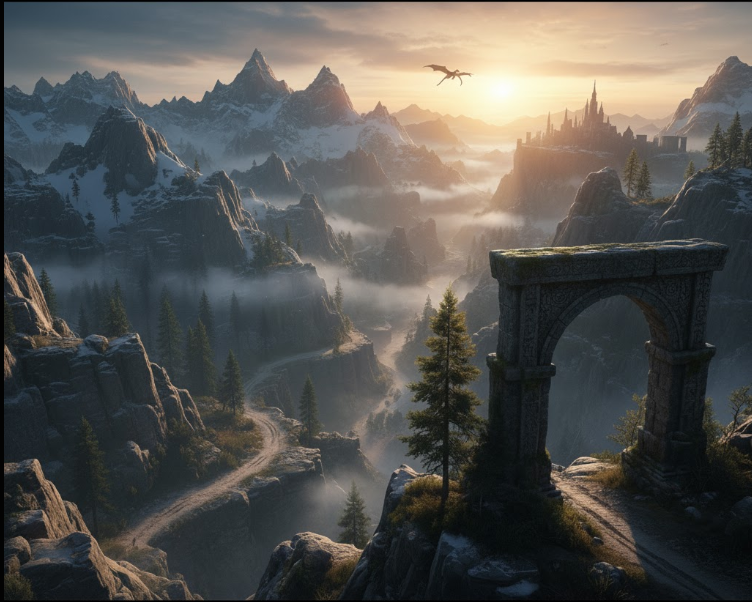
The Elder Scrolls VI rumors about setting got indirect confirmation when eagle-eyed fans analyzed that 2018 teaser. The geography and landscape features suggest either High Rock or Hammerfell, two regions of Tamriel that haven’t been featured in modern games. Todd Howard has neither confirmed nor denied this analysis, which fans interpret as soft confirmation.
The release timeline? Howard said in 2023 that Elder Scrolls VI is designed as “the ultimate fantasy world simulator” and that they’re taking their time to ensure it meets expectations. Translation: don’t hold your breath for a 2025 or 2026 release.
Development Timeline: Why It’s Taking So Long
Understanding why Elder Scrolls VI is taking forever requires understanding Bethesda’s development philosophy and constraints.
Bethesda Game Studios operates with a single primary development team that focuses on one major project at a time. They don’t run parallel AAA productions like some larger studios. This means Fallout 4 had to finish before Starfield could receive full attention. Starfield had to ship before Elder Scrolls VI could take center stage.
Fallout 4 released in November 2015. Starfield released in September 2023. That’s eight years between major releases, though Fallout 76 happened in between with a different team structure. If Elder Scrolls VI follows a similar pattern from Starfield, we’re looking at 2030-2032 for release. Yes, really.
The scope of these games compounds development time. Modern open-world RPGs of Bethesda’s scale take 5-7 years of full production with a complete team. Elder Scrolls VI only entered full production recently, meaning substantial development time remains.
Technology transitions complicate things further. Elder Scrolls VI is being built for current and next-generation console hardware. PlayStation 6 and the next Xbox will likely launch around 2027-2028. Bethesda is probably targeting those platforms, which means waiting for final specifications and development kits.
The Microsoft acquisition in 2021 added another wrinkle. Microsoft ownership brings resources and pressure simultaneously. More budget and support, yes, but also expectations around Game Pass integration, Xbox exclusivity strategy, and return on their $7.5 billion investment in Bethesda’s parent company ZeniMax.
Setting Speculation: High Rock vs. Hammerfell
This is where Elder Scrolls VI rumors get most creative. The setting debate has consumed Elder Scrolls communities for years, and the evidence points strongly toward two regions.
The Case for Hammerfell
Hammerfell, home of the Redguards, hasn’t been featured as a primary setting since The Elder Scrolls II: Daggerfall in 1996. The region offers incredible diversity: vast deserts, tropical coastlines, ancient ruins, and bustling trade cities.
The political situation is fascinating. Hammerfell successfully resisted the Aldmeri Dominion after the Empire abandoned them following the Great War. This creates rich storytelling opportunities about independence, cultural identity, and resistance against overwhelming odds.
Geographically, Hammerfell’s terrain matches the teaser trailer reasonably well. The coastal mountains and arid climate visible in those 36 seconds could absolutely be Hammerfell’s northern regions.
Thematically, Hammerfell would let Bethesda explore Middle Eastern and North African cultural inspirations, providing aesthetic and narrative departure from Skyrim’s Nordic influence.
The Case for High Rock
High Rock, home of the Bretons, is equally compelling. The region is characterized by feudal politics, knightly orders, merchant kingdoms, and deep magic traditions. Think medieval France meets political intrigue.
High Rock borders Hammerfell directly, which opens the possibility of both regions being included. The terrain in the teaser could easily be the mountainous border between these two provinces.
The political landscape is deliciously complicated. High Rock consists of numerous small kingdoms constantly maneuvering for advantage. This structure creates endless quest opportunities around succession disputes, trade conflicts, and political marriages.
High Rock’s architectural style would be dramatically different from Skyrim. Expect stone castles, walled cities, gothic cathedrals, and elaborate noble estates rather than Nordic longhouses and wooden fortifications.
Why Not Both?
The most popular theory combines both regions. The teaser trailer might show the border area, with the full game spanning both provinces. This would create the largest playable area in Elder Scrolls history and satisfy both camps of speculators.
Modern console and PC hardware could handle two full provinces with appropriate detail. The map would be massive, but fast travel and potential mount systems would make traversal manageable.
Narratively, a story spanning both regions could explore their complex relationship. They’ve been allies and enemies at different points in history. Their contrasting cultures would provide variety and depth.
Gameplay Evolution: What Might Change
Elder Scrolls VI rumors about mechanics and systems are harder to verify, but we can make educated guesses based on industry trends and Bethesda’s recent work.
Lessons from Starfield
Starfield introduced several systems that might carry over to Elder Scrolls VI. The outpost building mechanics could translate to player housing and settlement management. The skill system’s structure offered more flexibility than Skyrim’s. The dialogue system showed Bethesda experimenting with more reactive NPC conversations.
However, Starfield also revealed Bethesda’s limitations. The procedural generation didn’t always create compelling content. The main story received mixed reactions. Loading screens broke immersion. Elder Scrolls VI needs to learn from both Starfield’s successes and failures.
Combat and Magic Systems
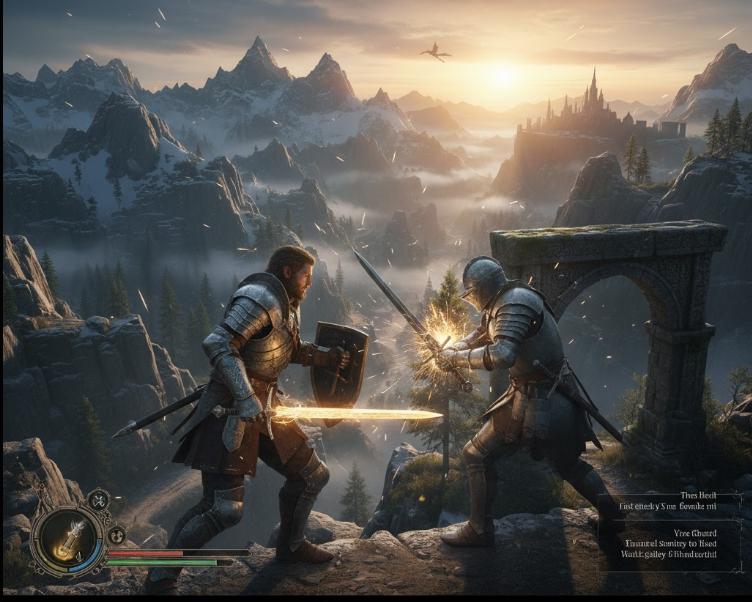
Skyrim’s combat felt dated even at launch in 2011. Elder Scrolls VI absolutely must improve here. Expect more sophisticated melee combat with better hit reactions, parrying mechanics, and weapon-specific movesets.
Magic systems need overhaul too. Skyrim’s spell casting was functional but boring compared to earlier games in the series. Fans want spell crafting to return, allowing custom spell creation. Environmental destruction and more spectacular visual effects would help magic feel powerful and exciting.
Stealth mechanics will likely receive attention. Modern games like Dishonored and Hitman have elevated stealth design significantly. Bethesda needs to match that sophistication with better AI reactions, more creative assassination tools, and improved sneaking mechanics.
Character Progression
Skyrim’s “jack of all trades” progression meant characters could master everything in one playthrough. This reduced replayability and character identity. Elder Scrolls VI might implement more meaningful build choices with actual trade-offs.
Reputation systems could expand beyond simple faction standings. Imagine your character developing region-specific reputations based on actions, with NPCs reacting to your history and choices in sophisticated ways.
World Interaction
Environmental storytelling has become standard in open-world games. Elder Scrolls VI needs more interactive environments where player actions leave lasting impacts. Destroyed buildings stay destroyed. Choices affect entire regions’ appearance and populations.
Dynamic weather and seasons would add immersion. Imagine winter snowstorms in the mountains transitioning to scorching desert heat, with gameplay implications for survival and traversal.
Technical Expectations: Engine and Graphics
The Creation Engine debate dominates technical discussions around Elder Scrolls VI rumors. Bethesda is sticking with their proprietary technology, but it needs serious upgrades to compete with modern standards.
What Needs Improvement
Animation quality is non-negotiable. Bethesda’s character animations have been meme-worthy for years. Motion capture and more sophisticated animation systems must improve facial expressions, body movement, and combat animations.
Loading screens need minimization or elimination. Modern SSDs enable seamless open worlds. Elder Scrolls VI should feature minimal loading between exterior spaces, with loads only for interior locations.
NPC AI requires fundamental improvements. NPCs need better daily routines, more reactive behavior, and actually intelligent decision-making during combat and stealth encounters.
Facial graphics must reach modern standards. Starfield showed improvement, but characters still fall in the uncanny valley compared to games like The Last of Us Part II or Cyberpunk 2077.
What Bethesda Does Well
Their engine excels at environmental persistence and interactivity. Every item can be picked up, moved, and stolen. NPCs follow complex schedules and remember your actions. These systemic interactions create emergent gameplay moments impossible in more rigid engines.
Modding support is unmatched. The Creation Engine’s accessibility to modders has kept Skyrim alive for 13 years. Elder Scrolls VI needs to maintain and expand this moddability while modernizing other aspects.
Story and Themes: What Might the Plot Involve?
Speculation about Elder Scrolls VI’s narrative is pure guesswork, but patterns from previous games suggest possibilities.
The Aldmeri Dominion remains the overarching antagonist introduced in Skyrim. The Thalmor’s supremacist ideology and political manipulation create perfect long-term villains. Elder Scrolls VI likely continues exploring their influence and potential player opposition to their agenda.
Hammerfell’s resistance against the Thalmor provides ready-made narrative framework. The player could join or oppose various factions navigating independence, cultural preservation, and pragmatic politics.
High Rock’s political complexity offers different narrative opportunities. Succession crises, merchant guild intrigue, knightly orders with competing philosophies, and magical institutions could all feature prominently.
The Dwemer mystery might receive attention. These disappeared elves left ruins throughout Tamriel. High Rock and Hammerfell both contain significant Dwemer sites. Perhaps Elder Scrolls VI finally reveals what happened to them, or at least provides substantial clues.
Dragons probably won’t return as major elements. Skyrim exhausted that particular fantasy trope. Elder Scrolls VI needs its own iconic creatures and threats to distinguish itself.
Multiplayer Possibilities: Will It Happen?
Bethesda experimented with multiplayer in Fallout 76 with mixed results. Will Elder Scrolls VI include multiplayer features?
Most Elder Scrolls VI rumors suggest no traditional multiplayer, but possible co-op options. Imagine exploring with 2-4 friends in a shared world, similar to Divinity: Original Sin or Baldur’s Gate 3. This would preserve the single-player experience while adding optional cooperation.
An online mode separate from the main campaign could work. Elder Scrolls Online exists as the MMO option, so direct competition seems unlikely. But a dedicated co-op adventure mode with its own story could satisfy fans wanting shared experiences without compromising the core game.
Most likely? Elder Scrolls VI remains strictly single-player. Todd Howard has emphasized the importance of solitary exploration and player-driven narrative. Multiplayer integration would fundamentally change design philosophy in ways Bethesda probably won’t risk for their flagship RPG franchise.
Platform Strategy: Where Will You Play It?
Microsoft’s ownership makes platform strategy straightforward and controversial simultaneously.
Elder Scrolls VI will be exclusive to Xbox and PC. PlayStation players won’t get it unless something dramatic changes. Microsoft didn’t spend billions acquiring Bethesda to then release games on competitor platforms, despite what some fans hope.
The game will launch day one on Game Pass, Microsoft’s subscription service. This follows the model established with Starfield. While some worry this affects game quality or monetization, Starfield’s budget and scope suggest Microsoft is still funding AAA development properly.
Cloud gaming will be emphasized. Microsoft wants Game Pass and cloud gaming as primary distribution methods. Elder Scrolls VI will likely feature optimized cloud streaming for phones, tablets, and lower-end PCs.
PC will receive simultaneous release with Xbox, not a delayed port. Bethesda games have always had strong PC communities, and Microsoft recognizes this. Expect robust PC features including mod support, adjustable graphics settings, and ultrawide monitor support.
Release Window: When Can We Realistically Expect It?
This is the question everyone wants answered, and the truth is frustrating: Elder Scrolls VI probably won’t release until 2028-2030 at the earliest.
Let’s break down the math. Starfield released September 2023. Bethesda will support it with expansions and updates through at least 2025. The team doesn’t fully shift to Elder Scrolls VI until Starfield support winds down.
Full production on Elder Scrolls VI likely began in 2024-2025 with the entire studio focusing on it. Modern AAA open-world RPGs require 5-7 years of full production. If production truly ramps up in 2025, we’re looking at 2030-2032 for release.
Industry insiders have hinted at 2028 as the absolute earliest possibility, and that assumes everything goes perfectly with no delays. Given Bethesda’s history and industry trends, 2029-2030 is more realistic.
This timeline aligns with next-generation console launches. PlayStation 6 and Xbox’s next system will likely arrive 2027-2028. Elder Scrolls VI would launch as a showcase title for that new hardware generation.
The good news? That extended timeline means Bethesda has time to get it right. Rushing Elder Scrolls VI to meet artificial deadlines would be disastrous. This game needs to justify a 15+ year wait and live up to Skyrim’s legacy. That requires time, resources, and patience.
| Milestone | Estimated Timeframe |
|---|---|
| Full production begins | 2024-2025 |
| First official trailer/gameplay | 2026-2027 |
| Beta testing begins | 2028-2029 |
| Possible release window | 2028-2030 |
| Most realistic release date | 2029-2030 |
Managing Expectations: The Skyrim Shadow
Here’s the uncomfortable truth: Elder Scrolls VI rumors and hype are setting impossible expectations. Skyrim became a cultural phenomenon that transcended gaming. It’s been released on every platform imaginable and sold over 60 million copies. Matching that success is virtually impossible.
Bethesda knows this. Todd Howard has mentioned the pressure explicitly in interviews. The team feels the weight of expectations, which paradoxically might make them more cautious and conservative with design choices.
The gaming landscape has changed dramatically since 2011. Open-world RPGs have evolved. The Witcher 3 raised narrative bars. Elden Ring combined open worlds with challenging combat. Baldur’s Gate 3 showed the potential for systemic reactivity. Elder Scrolls VI competes against these modern masterpieces while carrying legacy expectations.
Some disappointment seems inevitable. However perfect Elder Scrolls VI might be, some vocal segment of fans will complain it’s not exactly what they imagined during years of speculation. Managing expectations now protects against excessive disappointment later.
The Modding Community: Keeping Hope Alive
While we wait for official release, the modding community continues making Skyrim relevant. This community will be crucial for Elder Scrolls VI’s longevity.
Bethesda has historically supported modders with official tools and relative freedom. The Creation Kit for Elder Scrolls VI needs to launch quickly after the base game, enabling community creativity from early in the game’s lifecycle.
Lessons from Skyrim’s modding scene should inform Elder Scrolls VI’s design. The most popular mods address quality-of-life issues, add content variety, improve visuals, and fix bugs. Bethesda should implement solutions to common modded improvements natively rather than relying on community fixes.
Paid mods remain controversial after Bethesda’s previous attempts. If they try again with Elder Scrolls VI, the system needs better curation, fairer revenue sharing, and respect for free modding traditions.
What About Elder Scrolls Online?
The MMO Elder Scrolls Online continues receiving expansions and updates. How does ESO affect Elder Scrolls VI development and vice versa?
They’re separate products from different studios. ZeniMax Online Studios develops ESO while Bethesda Game Studios handles the main series. There’s minimal direct resource competition.
ESO actually helps maintain franchise relevance during the long wait for Elder Scrolls VI. It keeps millions of players engaged with Tamriel’s lore and world, maintaining interest that benefits the single-player game when it finally arrives.
Setting becomes interesting if Elder Scrolls VI uses Hammerfell. ESO already features Hammerfell content. Will this create redundancy? Probably not significantly. The gameplay experiences are so different that exploring the same region in both games would feel distinct.
Conclusion
Elder Scrolls VI rumors will continue circulating for years because we’re genuinely years away from release. The wait is frustrating but probably necessary. Bethesda is attempting something enormously ambitious: following up one of the most successful games ever made while meeting modern technical and design standards.
What we know for certain: the game exists, it’s in active development, it’s probably set in Hammerfell and/or High Rock, it won’t release until late this decade, and it’ll be exclusive to Xbox and PC. Everything else remains speculation until Bethesda decides to share more.
The gaming industry has changed dramatically since Skyrim’s 2011 release. Elder Scrolls VI needs to justify a development cycle spanning two console generations. That’s an enormous challenge requiring time, talent, and probably some compromises between ambition and reality.
When Elder Scrolls VI finally releases, probably around 2029-2030, will it be worth the wait? Nobody knows yet. But millions of fans will be ready to explore whatever new corner of Tamriel Bethesda has crafted, hoping it captures even a fraction of the magic that made Skyrim special.
What are your predictions for Elder Scrolls VI? Are you willing to wait until 2030, or has the hype train already derailed for you? Share your thoughts in the comments, and if you enjoyed this breakdown, share it with your Elder Scrolls friends who are also losing their minds waiting for news.
Frequently Asked Questions
When will Elder Scrolls VI be released?
While Bethesda hasn’t announced an official release date, industry analysis and development timelines suggest Elder Scrolls VI won’t launch until 2028-2030 at the earliest, with 2029-2030 being most realistic. The game only entered full production recently after Starfield’s release, and modern AAA RPGs of this scope typically require 5-7 years of development. Todd Howard has indicated they’re taking their time to ensure quality, which supports the late 2020s timeframe.
What region will Elder Scrolls VI be set in?
Based on analysis of the 2018 announcement teaser and various developer hints, Elder Scrolls VI will most likely be set in Hammerfell, High Rock, or potentially both regions. The geography shown in the teaser matches these provinces, which are located in western Tamriel and haven’t been featured as primary settings in modern Elder Scrolls games. Both regions offer diverse landscapes, rich political history, and compelling narrative opportunities that would distinguish the game from Skyrim’s Nordic setting.
Will Elder Scrolls VI be on PlayStation?
No, Elder Scrolls VI will almost certainly be exclusive to Xbox consoles and PC. Following Microsoft’s acquisition of Bethesda’s parent company ZeniMax in 2021, major Bethesda titles have become Xbox and PC exclusives. This pattern was established with Starfield and will continue with Elder Scrolls VI. PlayStation players won’t have access unless Microsoft dramatically changes their exclusivity strategy, which seems highly unlikely given their investment.
Will Elder Scrolls VI have multiplayer or co-op?
Most credible reports suggest Elder Scrolls VI will remain a strictly single-player experience. While Bethesda experimented with multiplayer in Fallout 76, Todd Howard has emphasized the importance of solitary exploration for the main Elder Scrolls series. There’s speculation about possible optional co-op features for 2-4 players, but no confirmed information. Elder Scrolls Online continues serving players who want multiplayer experiences in Tamriel.
What engine will Elder Scrolls VI use?
Elder Scrolls VI will use an updated version of Bethesda’s proprietary Creation Engine, the same technology powering Skyrim, Fallout 4, and Starfield. While many fans want Bethesda to switch to Unreal Engine 5, the studio insists their engine offers unique advantages for their design philosophy, particularly regarding environmental interactivity, modding support, and systemic gameplay. However, significant improvements to animation, graphics, and technical performance are expected compared to previous iterations.
Sources
- IGN Gaming News – https://www.ign.com – Comprehensive coverage of Todd Howard interviews and official Bethesda statements regarding Elder Scrolls VI development timeline and design philosophy
- Game Informer – https://www.gameinformer.com – Industry analysis and developer interviews providing context about Bethesda’s development process and Elder Scrolls VI production status
- Eurogamer/Digital Foundry – https://www.eurogamer.net – Technical analysis of Creation Engine capabilities and expert speculation on Elder Scrolls VI’s technological implementation based on Starfield’s performance