
Last month, I watched my friend spend 200 hours in a pixel art farming simulator made by three people in a basement. Meanwhile, the $200 million AAA shooter he pre-ordered six months ago? Uninstalled after twelve hours. “It just felt soulless,” he said, shrugging. “The indie game gets me.”
That moment crystallized something I’d been noticing everywhere: indie games are taking over the market in 2025, and it’s not even subtle anymore. We’re not talking about occasional breakout hits that surprise everyone. We’re seeing consistent, sustained success from independent developers who are fundamentally reshaping what gaming looks like, who plays it, and what we expect from our entertainment.
The numbers tell a wild story. In 2024, indie games accounted for nearly 40% of all game sales on Steam despite representing over 90% of releases. Mobile indie games generated billions in revenue. Console platforms actively court independent developers with featured placements and marketing support. Major publishers are scrambling to figure out what these small teams are doing right while their own massive productions underperform or outright fail.
This isn’t just a trend. It’s a fundamental shift in the gaming industry’s power structure. In this deep dive, we’ll explore exactly why indie games are dominating, what changed to enable this takeover, and what it means for the future of gaming. Whether you’re a player, a developer, or just someone curious about where entertainment is heading, this matters.
The Perfect Storm: What Changed in the Last Few Years
Why indie games are taking over the market in 2025 isn’t a simple story with one cause. Multiple factors converged simultaneously to create conditions where small teams could compete with, and often beat, massive studios.
Distribution Democratization
Steam, Epic Games Store, GOG, and itch.io have eliminated the traditional publishing gatekeepers. Any developer can release a game directly to millions of potential customers without convincing a publisher to back them. The barrier to entry dropped from “impress a corporation” to “upload your game.”
Console platforms followed suit. PlayStation’s indie initiative, Xbox’s ID@Xbox program, and Nintendo’s embrace of independent developers means even console gaming, historically controlled by major publishers, is now accessible to small teams.
Mobile platforms were already open, but discoverability improved dramatically. Apple Arcade and Google Play Pass create curated spaces where quality indie games can stand out from the endless shovelware. TikTok and YouTube Shorts became powerful discovery engines where gameplay clips go viral overnight.
Affordable Development Tools
Unreal Engine 5 is free until you make serious revenue. Unity offers generous free tiers. Godot is completely open-source. Game Maker and RPG Maker enable non-programmers to create sophisticated games. The tools that once cost hundreds of thousands of dollars are now free or incredibly cheap.
Asset stores and marketplaces mean developers don’t need to create everything from scratch. High-quality 3D models, sound effects, music, and animation systems are available affordably or free. A solo developer can create a game that looks and sounds professional without being a master of every discipline.
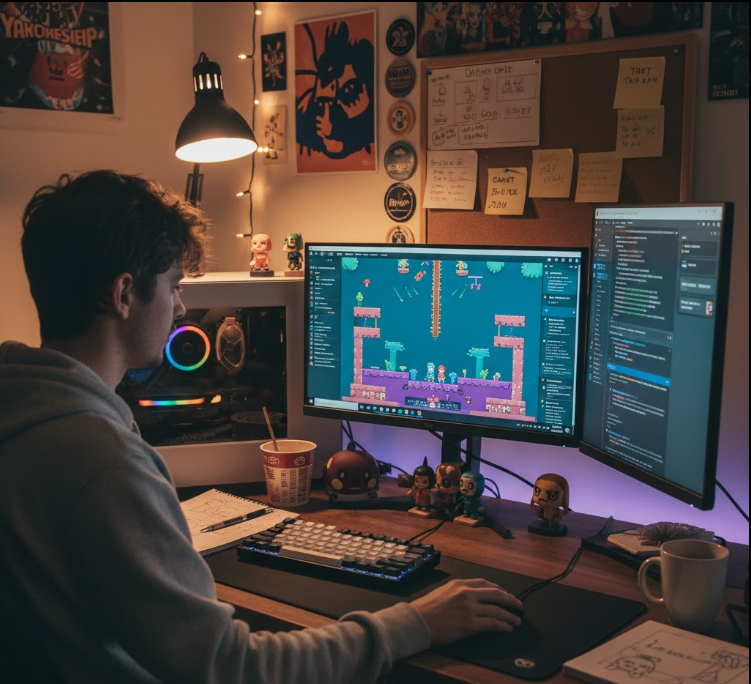
Development knowledge is freely available. YouTube tutorials, online courses, Discord communities, and documentation have democratized game development education. You don’t need a computer science degree anymore. You need internet access, time, and determination.
Crowdfunding and Alternative Funding
Kickstarter, Patreon, and Early Access transformed how indie games get funded. Developers can validate concepts before full development, build communities early, and fund production without publisher deals that surrender creative control.
Early Access on Steam particularly changed everything. Games can launch in playable but incomplete states, generating revenue during development while incorporating player feedback. This model perfectly suits small teams working iteratively.
Government grants and indie-focused investors have emerged too. Organizations recognizing gaming’s cultural and economic value offer development grants. Investors specifically seeking indie game portfolios provide funding with fewer strings attached than traditional publishers.
The AAA Problem
Let’s be honest: big-budget games are struggling. Development costs exploded to $100-300 million for major titles. Risk aversion means endless sequels and safe design choices. Live service obsession alienates players tired of predatory monetization. Crunch culture and toxic work environments damage quality and creativity.
Players are burnt out on open-world busywork, battle passes, microtransactions, and games launching broken then getting “fixed” months later. This created massive opportunity for indie developers offering fresh experiences, complete products at launch, and passionate creative vision over corporate focus-testing.
The Success Stories That Changed Everything
Certain indie games didn’t just succeed; they demonstrated what’s possible when small teams follow their vision without compromise.
Stardew Valley: The Solo Developer Phenomenon
Eric Barone spent four years creating Stardew Valley entirely alone. The game has sold over 30 million copies and generated hundreds of millions in revenue. One person, working in his spare time, created something that resonates more powerfully than most AAA productions.
Stardew Valley proved players crave depth, soul, and passion over graphics and budget. The game continues receiving free content updates years after release, contrasting sharply with AAA games that abandon players post-launch without continuous monetization.
Hades: Raising the Bar
Supergiant Games showed indie doesn’t mean compromised quality. Hades features full voice acting, gorgeous art, deep combat systems, and innovative narrative integration. It won Game of the Year awards and became a cultural phenomenon.
The Early Access approach let them refine gameplay through community feedback. The game launched polished and complete, proving indie developers can achieve technical excellence and artistic vision simultaneously.
Among Us: The Viral Lightning Strike
InnerSloth’s social deduction game released quietly in 2018 and went nuclear in 2020. It became the most-played game globally with minimal marketing budget. Streamers and organic social sharing created explosive growth that no marketing campaign could match.
Among Us demonstrated how simple, well-executed concepts can dominate when they nail social dynamics and accessibility. You didn’t need a powerful PC or console. You needed a phone and friends.
Valheim: The Early Access Giant
Iron Gate Studio’s Viking survival game sold 10 million copies in its first year with a team of five people. The $20 price point, compelling gameplay loop, and community-driven content creation made it a phenomenon.
Valheim proved Early Access can work brilliantly when done thoughtfully. The game was rough but fun, and the developers communicated transparently about development plans. Players felt like collaborators rather than customers.
Vampire Survivors: Minimalism Wins
Luca Galante created Vampire Survivors as a side project. The ultra-minimalist graphics and simple mechanics belie incredibly addictive gameplay. It became one of 2022’s biggest hits and spawned an entire subgenre.
This game proved graphics don’t matter if the core loop is satisfying. Players will overlook visual simplicity for genuinely engaging mechanics. The lesson? Gameplay first, always.
What Indie Games Are Doing Right
Indie games are taking over the market in 2025 because they’re making fundamental choices differently than AAA studios. These differences aren’t accidents; they’re competitive advantages.
Creative Freedom and Risk-Taking
Indie developers aren’t answerable to shareholders demanding guaranteed returns. They can pursue weird ideas, experimental mechanics, and niche audiences. This freedom produces genuinely innovative games that feel fresh and surprising.
Genre-blending happens naturally in indie games. Nobody tells a small team they can’t combine farming simulation with cosmic horror or puzzle mechanics with emotional storytelling. These unexpected combinations create experiences impossible to find elsewhere.
Personal vision drives indie games in ways corporate products can’t match. When a developer makes a game about their grandmother’s recipes or grief after losing a pet, that authenticity resonates. Players recognize and respond to genuine artistic expression.
Focused Scope and Polish
Indie developers typically create smaller, more focused experiences. Instead of 100-hour open worlds filled with repetitive content, they make 10-hour games where every moment matters. This approach respects player time while delivering higher-quality experiences throughout.
Scope management is crucial. Successful indie games know what they are and don’t try to be everything. They nail their core mechanics and design everything around those strengths. The result feels cohesive and intentional rather than bloated and unfocused.
Polish comes from iteration and care. Small teams can ensure every system works properly before release. They’re not crunching thousands of employees across multiple time zones trying to hit arbitrary corporate deadlines. This shows in the final product.
Community Engagement
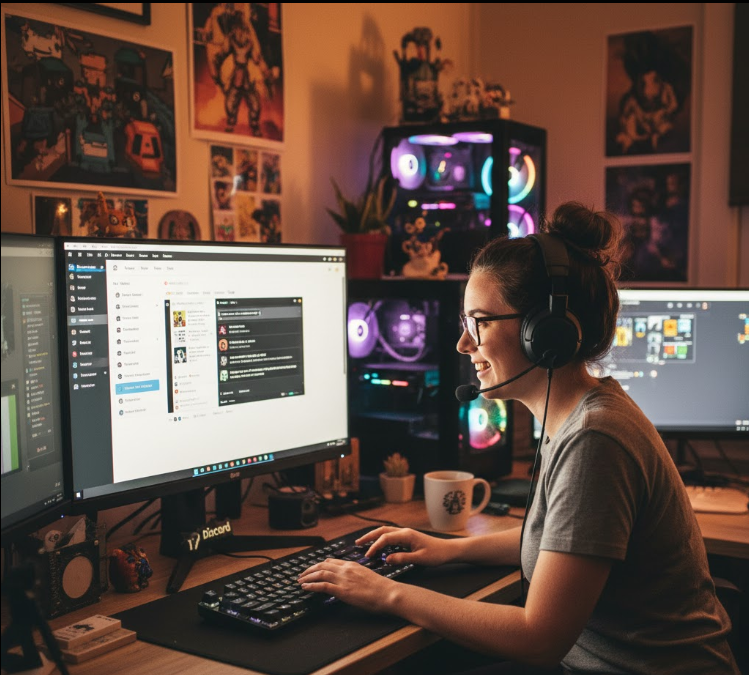
Indie developers talk directly to their players. They’re on Discord, Reddit, Twitter, and forums actually reading feedback and implementing suggestions. This relationship builds loyalty and investment impossible for massive studios with PR departments and corporate communication guidelines.
Transparency about development builds trust. Indie developers share their struggles, celebrate victories, and admit mistakes openly. Players appreciate this honesty and become advocates for games they feel connected to.
Modding support comes naturally to many indie games. Without corporate concerns about controlling every aspect of their product, indie developers embrace community creativity. This extends game lifespans and creates passionate fan communities.
Fair Monetization
Most successful indie games use straightforward pricing. Buy the game once, own it forever. No battle passes, no loot boxes, no predatory psychological tricks. This honesty feels refreshing compared to AAA games treating players as monetization targets.
Complete experiences at launch matter enormously. Indie games generally ship finished, playable, and fun on day one. They don’t launch broken with promises to fix it later or lock essential content behind season passes and DLC.
When indie games do add content, it’s often free. Developers see it as serving their community rather than extracting maximum revenue. This generosity builds goodwill and long-term player relationships.
Accessibility and Inclusivity
Indie games often feature extensive accessibility options, difficulty adjustments, and inclusive design from the start. Small teams frequently include diverse perspectives, and their games reflect this through representation and thoughtful design choices.
Lower price points make indie games accessible to players who can’t afford $70 AAA releases. The $10-$25 range lets more people experience quality gaming without financial stress.
Hardware requirements are usually modest. Indie games run on older PCs, laptops, and budget hardware, democratizing access. You don’t need a $2000 gaming rig to enjoy incredible games.
The Platform Effect: Where Players Find Indie Games
Distribution platforms have become crucial enablers of indie success. Understanding this ecosystem explains why indie games are taking over the market in 2025.
Steam’s Indie Ecosystem
Steam dominates PC gaming with over 120 million active users. The platform’s recommendation algorithms, user reviews, and discovery features give indie games visibility. Steam’s seasonal sales and featured placements can make unknown games into overnight successes.
The wishlist system creates anticipation and allows developers to notify interested players at launch. Curators and user tags help players discover niche games matching their interests. The community features enable streamers and players to share discoveries organically.
Steam Deck’s success particularly benefits indie games. The handheld PC makes indie games portable and discoverable to new audiences. Many indie titles are perfectly suited to short play sessions on portable hardware.
Console Platforms Opening Up
PlayStation’s indie showcases give independent games major platform visibility. Xbox Game Pass includes dozens of indie titles, exposing them to millions of subscribers who might never buy them individually. Nintendo’s Indie World presentations celebrate independent games with dedicated marketing events.
These platforms recognize indie games drive engagement and differentiate their ecosystems. Exclusive indie launches and day-one Game Pass deals provide funding and marketing indie developers couldn’t achieve alone.
Mobile’s Indie Resurgence
Mobile gaming’s reputation for predatory free-to-play garbage is improving thanks to platforms like Apple Arcade. The subscription service curates quality indie games without ads or in-app purchases, creating sustainable mobile indie gaming.
Premium mobile games are making comebacks too. Players tired of free-to-play manipulation will pay upfront for quality experiences. Games like Stardew Valley and Dead Cells have sold millions on mobile.
Social Discovery Engines
TikTok, YouTube Shorts, and Twitter clips have become the most powerful discovery tools for indie games. A 30-second clip of satisfying gameplay can generate millions of views overnight. This organic marketing is free and often more effective than paid advertising.
Streamers and content creators particularly boost indie games. A popular streamer playing your game can generate more attention than any traditional marketing campaign. Many indie games owe their success to streamers discovering and sharing them with audiences.
The Genre Revolution
Indie developers aren’t just making games; they’re creating and defining entire genres that AAA studios struggle to replicate.
Cozy Games Explosion
Stardew Valley opened the floodgates for “cozy games” focused on relaxation, creativity, and positive vibes rather than competition and violence. Titles like Unpacking, A Short Hike, and Spiritfarer found massive audiences seeking gaming experiences that reduce stress rather than creating it.
This genre resonates particularly with demographics traditionally underserved by mainstream gaming: women, older players, and people seeking therapeutic rather than adrenaline-driven entertainment.
Roguelike Renaissance
Indie developers perfected the roguelike formula with games like Hades, Dead Cells, Slay the Spire, and Binding of Isaac. The genre’s structure suits small teams perfectly: create tight core mechanics, design modular content, and let procedural generation create infinite replayability.
The roguelike structure also works beautifully for Early Access. Developers can launch with basic systems and continuously add content, items, and features based on player feedback.
Narrative Innovation
Games like Disco Elysium, Return of the Obra Dinn, and Her Story showed how indie games can push narrative boundaries AAA studios won’t risk. These games treat players as intelligent adults capable of handling complex themes, ambiguous morality, and unconventional storytelling.
Walking simulators, interactive fiction, and narrative experiments thrive in indie spaces where commercial pressure doesn’t demand mass-market appeal.
Multiplayer Mayhem
Fall Guys, Among Us, and Lethal Company proved small teams can create multiplayer phenomena. These games understand that fun social experiences beat elaborate production values. Simple concepts executed well create memorable moments and organic viral growth.
The social focus makes these games inherently shareable. Players naturally want friends to join, and watching streamers play creates entertainment and marketing simultaneously.
The Economics: How Indie Developers Make Money
Understanding why indie games are taking over the market in 2025 requires examining the business model that makes this sustainable.
| Revenue Stream | Percentage Impact | Advantages |
|---|---|---|
| Direct Sales | 50-70% | Immediate revenue, one-time purchase |
| Early Access | 20-40% | Funds development, builds community |
| DLC/Expansions | 10-20% | Extends game life, rewards developers |
| Platform Deals | Variable | Upfront payment, guaranteed income |
| Merchandise | 5-15% | Brand extension, engaged fans |
Indie developers operate with dramatically lower costs than AAA studios. No massive marketing budgets, no executive salaries, no expensive office real estate. A successful indie game selling 100,000 copies at $20 generates $2 million in revenue. After platform cuts and taxes, that’s potentially $1.2 million for a team of 2-5 people. That’s life-changing money and funds their next project.
The long tail matters too. Indie games continue selling years after release. Regular sales, new platform releases, and word-of-mouth create ongoing revenue. Stardew Valley still charts highly years after launch.
Platform deals provide security. Xbox Game Pass pays developers upfront to include games in the service. This guaranteed income allows teams to take risks without worrying about initial sales. Even if the game doesn’t sell well traditionally, the Game Pass deal might cover development costs.
The Challenges: It’s Not All Success Stories
Let’s be real: most indie games fail commercially. The success stories are exceptional, not typical. Understanding the challenges provides complete context.
Discoverability Crisis
Thousands of games release monthly. Standing out is incredibly difficult. Most indie games sell fewer than 1,000 copies total. Without marketing budgets or publisher support, many quality games disappear into obscurity.
The algorithm lottery determines success or failure for many developers. Getting featured by Steam, covered by streamers, or going viral on TikTok often depends on luck as much as quality.
Financial Precariousness
Most indie developers work other jobs while making games. The stereotype of the starving artist absolutely applies. Years of work might generate little to no revenue if the game doesn’t find an audience.
The hit-driven nature creates instability. One successful game might fund a studio for years, but the next game could fail and bankrupt the company. This feast-or-famine cycle makes long-term sustainability difficult.
Burnout and Mental Health
Solo developers and small teams work brutal hours for years with no guarantee of success. The passion that drives indie development can become destructive when financial pressure, isolation, and uncertainty compound over time.
The always-online nature of modern indie development means developers are constantly visible to their communities. Negative feedback, demands for features, and criticism affect mental health when you’re personally invested in your creation.
Competition from AAA Studios
Major publishers are noticing indie success and copying mechanics, genres, and aesthetics. When AAA studios appropriate indie innovations and add massive marketing budgets, they can dominate spaces indie developers created.
“Indie-style” games from major publishers muddy the waters. Games designed to look indie but backed by substantial corporate resources confuse consumers and create unfair competition.
Regional Differences: Global Indie Gaming
Indie games are taking over the market in 2025 globally, but regional differences shape how this plays out.
Western Markets (US & Europe)
Western indie scenes benefit from established infrastructure, access to funding, and large English-speaking markets. Steam dominates distribution, and Western indie games receive substantial media coverage.
Cultural factors favor certain genres. Narrative games, roguelikes, and artistic experiments find receptive audiences. Western players generally have higher disposable income, supporting premium pricing models.
Asian Markets
Japan’s indie scene, called “doujin games,” has unique characteristics rooted in convention culture and niche communities. Games like Touhou Project demonstrate sustainable indie development through dedicated fan communities rather than mass-market appeal.
China’s indie scene is exploding despite platform restrictions. Mobile-first development dominates, and games that succeed domestically can reach massive audiences. Black Myth: Wukong, while large-budget, showed international appetite for Chinese game development.
South Korea’s indie scene focuses heavily on mobile and PC gaming, with strong emphasis on competitive multiplayer and social features.
Emerging Markets
Brazil, India, and other developing regions produce innovative indie games shaped by local cultures and economic realities. Lower price expectations and different platform preferences (mobile over PC/console) create distinct indie ecosystems.
These markets often serve regional audiences first, creating games reflecting local stories, aesthetics, and cultural references underrepresented in Western games.
The Future: Where Is This Going?
Looking ahead, several trends suggest indie games are taking over the market in 2025 represents the beginning, not the peak, of this shift.
AI Tools and Development
Generative AI for art, music, and programming assistance will lower barriers further. Solo developers will accomplish what previously required small teams. This democratization continues the trend toward accessible game development.
Controversy surrounds AI-generated content in games, but the tools will likely become standard parts of development workflows, accelerating production and enabling more ambitious solo projects.
Cloud Gaming and Accessibility
As cloud gaming matures, hardware requirements matter less. Players with basic devices and internet connections can play sophisticated games. This expands potential audiences for indie games dramatically.
Subscription services like Game Pass will continue growing, providing sustainable revenue streams for indie developers through platform deals rather than relying solely on direct sales.
Community-Driven Development
The line between developer and player continues blurring. Early Access, mods, user-generated content, and community feedback loops make game development increasingly collaborative.
Games designed for community modification and expansion will thrive. Developers providing frameworks for player creativity will build sustainable ecosystems around their games.
Genre Evolution
New genres and hybrid forms will emerge from indie experimentation. We’ll see combinations nobody’s attempted yet, creating fresh experiences that feel genuinely novel rather than iterative.
The cozy game revolution is just beginning. As more people discover gaming through accessible, welcoming indie titles, the market will expand beyond traditional gamer demographics.
What This Means for Players
The indie takeover benefits players in numerous ways. More diverse games mean more chances to find something perfectly matching your interests. Better pricing and monetization practices respect your time and wallet. Greater accessibility welcomes more people into gaming.
The relationship between players and developers becomes more direct and meaningful. You’re not a metric in a corporate dashboard; you’re a real person whose feedback might directly influence the game.
Quality over quantity becomes realistic. Instead of chasing the next 100-hour open world, you can enjoy focused, respectful experiences that deliver what they promise.
What This Means for the Industry
AAA studios must adapt or become increasingly irrelevant. The model of massive budgets, safe sequels, and exploitative monetization is failing. Players have alternatives now, and they’re choosing them.
Publishers need to evolve their relationships with developers. The old model of publishers controlling everything while developers take all the risk doesn’t work when developers can self-publish successfully.
The industry is democratizing in ways that make it more sustainable, creative, and player-focused. This is overwhelmingly positive for gaming’s future, even if it disrupts established power structures.
Conclusion
Why indie games are taking over the market in 2025 comes down to fundamentals: passion over profit, creativity over calculated safety, and respect over exploitation. Indie developers make games they want to play, treating players as people rather than revenue sources.
The perfect storm of accessible tools, direct distribution, community funding, and AAA missteps created conditions where small teams can compete and win. The success stories prove you don’t need hundreds of millions of dollars to create memorable, beloved games. You need vision, skill, persistence, and respect for your audience.
This isn’t a bubble that will burst. It’s a fundamental restructuring of gaming’s ecosystem. Indie games will continue growing in influence, quality, and market share because they’re giving players what they actually want: great games made with care and passion.
The gaming industry’s future isn’t about choosing between indie and AAA. Both can coexist, but the balance has shifted permanently. And honestly? That’s exactly what gaming needed.
What’s your favorite indie game discovery from the last year? Are you more excited about upcoming indie titles or AAA releases? Drop your thoughts in the comments, and if this resonated with you, share it with someone who still thinks you need a massive budget to make great games.
Frequently Asked Questions
What defines an indie game in 2025?
An indie game is typically developed by a small team or individual without major publisher backing or substantial corporate funding. However, the definition has become nuanced as some “indie” studios grow larger and games like Hades receive significant funding while maintaining creative independence. Generally, indie status is defined by creative control, development approach, and studio size rather than purely by budget. Games made with passion and personal vision by small teams, even with modest publisher support, usually qualify as indie.
Are indie games actually outselling AAA games?
While individual AAA blockbusters still generate massive revenue, indie games collectively represent enormous market share. In 2024, indie games accounted for nearly 40% of Steam sales despite being a small fraction of gaming budgets. Breakout indie hits like Stardew Valley, Hades, and Vampire Survivors have outsold many AAA titles. The aggregate success of indie games across platforms represents billions in annual revenue, demonstrating that indie gaming is now a dominant market force rather than a niche segment.
How much does it cost to develop an indie game?
Development costs vary dramatically depending on scope, team size, and timeline. Solo developers might create games for under $10,000 using free tools and personal time. Small team projects typically cost $50,000-$500,000 when accounting for salaries, software, marketing, and other expenses. Some larger indie projects with extended development and bigger teams might reach $1-3 million. These budgets are tiny compared to AAA games costing $100-300 million, allowing indie games to be profitable with relatively modest sales.
What platforms are best for indie game success?
Steam remains the dominant platform for indie success on PC, offering the largest audience and best discovery tools. Xbox Game Pass provides guaranteed revenue through platform deals. Nintendo Switch has become incredibly indie-friendly with strong curation and marketing support. PlayStation’s indie initiatives help developers reach console audiences. Mobile platforms like Apple Arcade work well for specific types of games. Multi-platform releases typically generate the most success by reaching maximum audiences across PC, consoles, and sometimes mobile.
Can indie developers actually make a living from their games?
Yes, but it’s difficult and uncertain. Successful indie games can generate life-changing income for small teams. However, most indie games fail commercially, and many developers work other jobs while creating games as side projects. The hit-driven nature means one successful game might fund years of development, but subsequent games could fail. Sustainable indie development often requires multiple successful releases, platform deals, ongoing sales from catalog titles, or supplementary income from consulting, teaching, or contract work.
Sources
- Steam Database & SteamSpy – https://steamdb.info – Comprehensive sales data, player statistics, and market analysis for indie game performance on Steam platform
- Game Developer Magazine – https://www.gamedeveloper.com – Industry analysis, developer interviews, and business reporting on indie game economics and market trends
- Newzoo Gaming Market Reports – https://newzoo.com – Professional market research and data on global gaming industry trends, including indie game market share and revenue analysis